 how-to
How to Prepare Home for Sale: Complete Checklist
Table of Contents
- How to Prepare Home for Sale: Start With a Strategic Plan
- What to Fix Before Selling a House: Essential Repairs
- Decluttering and Depersonalizing Your Home
- Deep Cleaning and Freshening Your Space
- How to Stage a Home for Sale: Buyer-Ready Presentation
- How Long to Prepare a House for Sale: Timeline by Scope
- Room-by-Room Checklist and Photo-Day Readiness
- Disclosure, Permits, and Occupied-Home Showing Routines
- Frequently Asked Questions
Last Updated: October 4, 2026
How to Prepare Home for Sale: Start With a Strategic Plan
Preparing your home for sale directly impacts how quickly it sells and what price you command. Preparing your home for sale effectively, and the difference between a rushed approach and a strategic one is substantial.
Start with a plan. Most sellers jump into cleaning or repairs without understanding what moves the needle with buyers. Prioritize tasks with the biggest impact on buyer perception and sale price.
Assess Your Timeline and Budget
Your timeline and budget shape every decision. With 8-12 weeks, tackle comprehensive updates. With 2-4 weeks, focus on high-impact tasks. With limited funds, prioritize repairs affecting buyer confidence over cosmetic upgrades.
Create a spreadsheet listing tasks you'll handle yourself, tasks to hire out, estimated costs, and target completion dates. This prevents overwhelm and keeps you on track.
Prioritize High-Impact Tasks First
High-impact tasks that move buyers: deep cleaning, removing clutter, essential repairs (roof, foundation, plumbing, electrical), curb appeal, and neutral paint. Lower-impact tasks: cabinet hardware, light fixtures, accent walls, and landscaping upgrades. Start with high-impact tasks for the best return on time and money.
What to Fix Before Selling a House: Essential Repairs
Address major system and structural problems upfront to prevent inspection surprises and deal collapse.
Safety and Structural Issues
Address safety issues before listing: roof damage, foundation cracks, electrical hazards, plumbing problems, mold, broken stairs, and asbestos or lead paint. Buyers and lenders won't proceed without these repairs.
Systems That Affect Buyer Confidence
Review major systems, HVAC, water heater, appliances, plumbing, and electrical panel, to ensure they're functional and reasonably modern. Replace aging systems or disclose issues clearly.
Return on Investment for Common Repairs
Worthwhile investments: roof repair, foundation repair, plumbing/electrical fixes, and water damage remediation. Lower ROI: cosmetic kitchen/bathroom updates, flooring, paint, and landscaping. Structural and safety repairs are required; cosmetic repairs improve appeal but may not add proportional value.
Decluttering and Depersonalizing Your Home
Help buyers envision themselves in the home by removing clutter and personal style elements.
Remove Personal Items and Excess Belongings
Remove extra furniture, personal photos, collections, excess countertop items, closet clutter, paperwork, and visible pet items. Clean, open rooms feel larger and let buyers focus on the space.
Neutralize Your Décor
Neutralize décor by repainting walls in soft colors, removing bold artwork, storing collectibles, and removing religious or political items. Neutral creates a backdrop for the home's features and lets buyers imagine their own lives in the space.
Deep Cleaning and Freshening Your Space
Professional-level cleanliness is essential, buyers equate it with maintenance and care.
Interior Deep Cleaning Tasks
Deep clean every surface: windows, baseboards, ceiling fans, walls, cabinets, grout, carpets, floors, appliances, and bathrooms. Consider hiring a professional cleaning service, the cost is modest compared to the buyer perception impact.
Curb Appeal and Exterior Preparation
Invest in the front entrance and landscaping. Mow, trim, power wash, paint the front door, clean windows, repair fencing, add mulch, and ensure lighting works. A well-maintained exterior signals care and drives buyer interest.
How to Stage a Home for Sale: Buyer-Ready Presentation
Staging arranges your home to highlight features and help buyers envision themselves living there, it's about creating an inviting, functional space, not decorating.
Furniture Arrangement and Space Planning
Use minimal furniture to define space without overwhelming it. Arrange for clear traffic flow, angle to enlarge rooms, remove bulky pieces, create focal points, and leave open floor space visible. Spacious rooms appeal more than fully furnished ones.
Lighting and Natural Light Enhancement
Open curtains, clean windows, replace dim bulbs with warm-white LEDs, turn on all lights during showings, add lamps to dark corners, and trim bushes blocking windows. Bright, open homes appeal to more buyers.
Preparing for Photos and Open Houses
Professional photos are critical. Many buyers start their search online, and poor photos kill interest before they ever visit.
Photo-day preparation:
- Deep clean every visible surface
- Remove all clutter and personal items
- Arrange furniture for open, spacious feel
- Ensure all lighting is on and working
- Open all curtains and blinds
- Remove pets from the home during photos
- Stage the front entrance with welcoming appeal
- Ensure outdoor areas are clean and well-maintained
- Remove cars from the driveway if possible
- Check that all rooms are accessible and uncluttered Maintaining this level of visual clarity requires a systematic approach to organizing your belongings, so consider these decluttering tips to streamline your preparation process.
For open houses, keep the home in show-ready condition at all times. First impressions happen in seconds, and buyers rarely return to homes that feel neglected or cluttered.
How Long to Prepare a House for Sale: Timeline by Scope
The time needed depends on your home's condition and your preparation goals. Here are realistic timelines.
Quick Preparation: 2-4 Weeks
Choose this timeline if your home is already in decent condition and you need to sell quickly.
Tasks to focus on:
- Deep clean the entire home
- Remove clutter and personal items
- Make essential safety repairs
- Improve curb appeal (mow, trim, clean)
- Paint walls in neutral colors if visibly worn
- Stage key rooms (living room, master bedroom)
- Take professional photos
This timeline works best if you're not making major repairs or renovations. It's about presenting your home in its best current condition.
Standard Preparation: 4-8 Weeks
This timeline allows for more thorough preparation and minor repairs.
Tasks to include:
- Everything in the quick timeline, plus
- Address minor plumbing or electrical issues
- Repair or replace flooring if visibly damaged
- Update kitchen or bathroom fixtures
- Deep landscaping work
- Professional staging consultation
- Refresh exterior paint if needed
This is the most common timeline for home preparation. It balances thoroughness with reasonable timing.
Comprehensive Preparation: 8-12 Weeks or More
Choose this timeline if your home needs significant work or you're planning major updates.
Tasks may include:
- Everything in the standard timeline, plus
- Major roof or foundation repairs
- Kitchen or bathroom renovations
- Full exterior paint
- Significant landscaping redesign
- New flooring throughout
- HVAC or water heater replacement
- Mold remediation or water damage repair
This timeline allows for quality work and professional contractors. It's appropriate when your home needs substantial updates to be competitive in the market.
Room-by-Room Checklist and Photo-Day Readiness
A room-by-room checklist ensures nothing is overlooked. Use this as your guide for preparation and photo-day readiness.
Kitchen Preparation
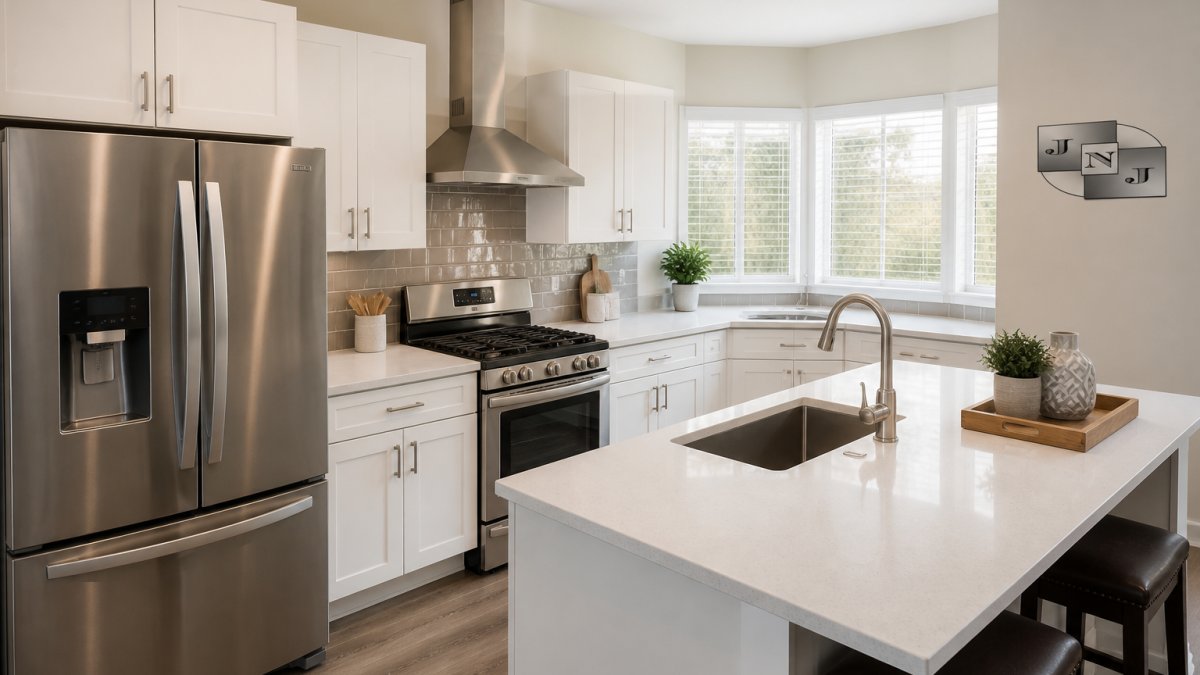
The kitchen is one of the most important rooms for buyers. It's often the deciding factor in a purchase decision.
Kitchen checklist:
- Deep clean all surfaces, inside cabinets, and appliances
- Remove clutter from countertops (keep only 2-3 decorative items)
- Ensure all appliances are clean and functional
- Replace cabinet hardware if outdated
- Repair or replace worn flooring
- Paint walls in neutral color
- Ensure adequate lighting over counters and island
- Clean windows and window treatments
- Stage with minimal décor (simple bowl of fruit, fresh flowers)
- Ensure sink is spotless and drain is clear
- Check that all cabinet doors close properly
- Remove personal items and excess kitchenware
Buyers spend time in kitchens during showings. A clean, organized kitchen signals that the home is well-maintained.
Bathroom Preparation
Bathrooms are scrutinized closely. Cleanliness and functionality are paramount.
Bathroom checklist:
- Scrub tile, grout, and fixtures thoroughly
- Remove all personal items and toiletries
- Ensure mirrors are clean and well-lit
- Replace shower curtain or clean glass enclosure
- Repair any water damage or mold
- Replace caulk if discolored or damaged
- Ensure plumbing fixtures work properly
- Remove excess towels (keep one set visible)
- Clean exhaust fan or vent
- Ensure adequate lighting
- Remove bath mats and replace with neutral ones
- Check that toilet is clean and functioning
Multiple bathrooms get inspected carefully. Each one should feel clean, functional, and inviting.
Bedrooms and Living Areas
Bedrooms should feel spacious and restful. Living areas should feel inviting and open.
Bedroom and living area checklist:
- Remove excess furniture
- Deep clean all surfaces
- Ensure windows are clean and bright
- Paint walls in neutral colors
- Arrange furniture to maximize open space
- Remove personal photos and memorabilia
- Ensure all light fixtures work
- Clean closets and remove excess items
- Vacuum or clean flooring thoroughly
- Remove clutter from nightstands and shelves
- Stage with minimal, neutral décor
- Ensure adequate lighting in all areas
Spacious, clean bedrooms and living areas appeal to more buyers. Minimize furniture and maximize open floor space.
Closets and Storage
Buyers want to see that storage is adequate. Overflowing closets signal the opposite.
Closet and storage checklist:
- Remove excess items from closets
- Organize remaining items neatly
- Ensure closet lighting works
- Clean shelves and rods
- Remove personal items and off-season storage
- Demonstrate adequate space
- Clean out under-sink cabinets
- Organize pantry or utility closets
- Remove clutter from garage shelves
- Ensure storage areas look functional and spacious
Open, organized storage is appealing. Buyers want to envision their belongings in these spaces.
Disclosure, Permits, and Occupied-Home Showing Routines
Understanding disclosure obligations and managing showings while you live in the home are critical to a smooth sale.
Know Your Disclosure Obligations
Sellers are required to disclose known defects and issues with the property. Failure to disclose can result in legal liability and deal cancellation.
Common disclosure requirements:
- Structural damage or foundation issues
- Water damage or flooding history
- Mold or pest infestations
- Roof or major system repairs or replacements
- Lead paint (homes built before 1978) (the EPA)
- Environmental hazards
- Neighborhood nuisances or issues
- HOA restrictions or special assessments
- Previous insurance claims
Consult with a real estate professional to understand your specific disclosure obligations. The rules vary by state and locality.
Managing Showings While You Live There
Occupied homes present challenges during showings.
Showing day preparation:
- Open all curtains and blinds
- Turn on all lights throughout the home
- Ensure the home is spotlessly clean
- Remove pets from the home or secure them away
- Remove personal items from view
- Open windows for fresh air if weather permits
- Ensure temperature is comfortable (68-72°F)
- Remove cooking odors by ventilating
- Avoid strong scents or air fresheners
- Keep family members out of the home during showings
- Remove cars from driveway if possible
- Ensure exterior is well-maintained
- Lock up valuables and personal documents
A home that feels vacant and available is easier for buyers to envision.
Preparing your home for sale is a project, but it's an investment in your sale price and sale speed.
J-N-J Real Estate Services, Inc. helps homeowners throughout the Inland Empire understand how to prepare home for sale strategically.
Frequently Asked Questions
How long does it take to prepare a house for sale?
Preparation time depends on your home's condition and the scope of work. Basic cleaning and decluttering may take 2-4 weeks, while addressing repairs, repainting, and staging typically requires 4-8 weeks. Homes needing significant updates can take 8-12 weeks or longer. Start by assessing your timeline and prioritizing repairs that affect buyer perception and safety first.
What are the most important things to fix before selling a house?
Focus on issues that affect safety, functionality, and buyer confidence: roof leaks, foundation cracks, electrical or plumbing problems, HVAC system failures, and broken appliances. Address visible cosmetic issues like chipped paint, broken fixtures, and damaged flooring. Buyers expect these repairs to be completed or will reduce their offer. Consult a home inspector to identify priority items that will impact your sale price.
Should I stage my home before selling?
Yes, staging helps buyers envision themselves living in your home and can increase perceived value. Remove personal items and excess furniture to make rooms feel larger and more neutral. Arrange furniture to highlight flow and functionality, maximize natural light, and ensure the home is spotlessly clean. Professional staging can be especially valuable for listing photos and open houses, where first impressions directly influence buyer interest.
What should I remove from my home before listing it?
Remove family photos, personal collections, excessive clutter, and items that reflect your lifestyle too strongly. Depersonalizing helps buyers focus on the home itself rather than your décor. Store excess furniture to make rooms appear larger and more open. Clear kitchen counters, bathroom cabinets, and closets, buyers want to see storage potential. Remove pet odors and items that might distract from the property's appeal.